
BORDER FARM
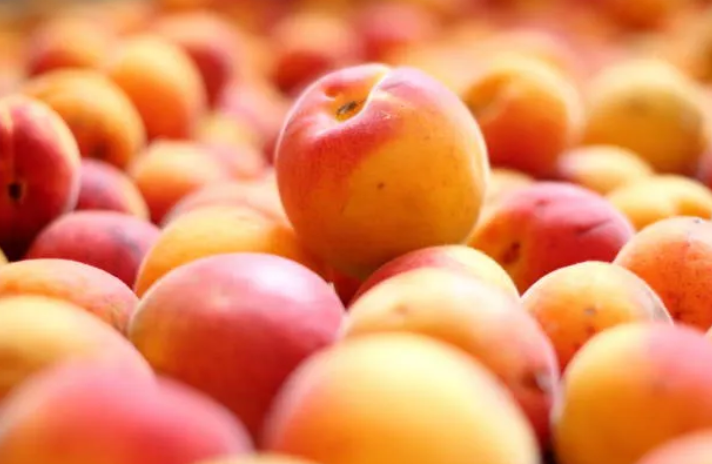
Utah’s 2026 peach harvest suffered catastrophic losses, with many growers reporting near-total crop failure. An unusually warm winter caused peach trees to bloom approximately four weeks earlier than usual. This premature blooming left the blossoms highly vulnerable when freezing temperatures in mid-April and again in late May. The extreme weather swing resulted in estimated 95% crop losses for peaches across northern Utah and Utah County.
If you see them roadside, help support these farms.
You don’t need to use them to have them on your property
Everyone is talking about glyphosate these days, but do you know about 2,4-D and Dicamba?
Lawn and turf treatment/management companies extensively use both 2,4-D and dicamba as primary active ingredients for broadleaf weed control. So do large farms. These herbicides are frequently combined in professional-grade mixtures, often alongside MCPP (mecoprop) or triclopyr, to provide a broader spectrum of weed control than single-ingredient products.
2,4-D is considered the first modern herbicide and has been widely used in the landscape industry since the 1940s due to its ability to selectively kill broadleaf weeds without harming most turfgrass species. Dicamba, introduced commercially in the 1960s, shares similar selective characteristics and is often paired with 2,4-D to enhance efficacy against weeds like clover and plantain.
Professional Use – Their use is subject to strict regulations due to drift and volatility concerns. Both chemicals can volatilize into gas and drift to sensitive non-target crops, home gardens, other farms, and ranches, causing significant damage. Consequently, many jurisdictions require certified applicators for certain formulations.
To prevent 2,4-D drift damage to your garden, you must manage both vapor drift (volatilization) and particle drift (physical movement of spray droplets).
Best Practices –
- These chemicals should not be used when temperatures exceed 85°F, as heat drastically increases volatilization
- Do not apply during temperature inversions (often occurring in early mornings or late evenings when air is still), which trap herbicide vapors near the ground and allow them to move horizontally into neighboring properties
- Ideal conditions include light, steady winds of 3–10 mph blowing away from your garden, moderate temperatures, and higher humidity.
- Establish a 30-foot downwind buffer zone around your garden/property
Health Risk From Drift – 2,4-D and Dicamba residues in edible foods pose potential health risks, including associations with non-Hodgkin lymphoma, hypothyroidism, and adverse birth outcomes, although regulatory agencies like the EPA currently deem dietary exposure safe. Ah-hem …
NOTE– this same agency or really all 3 letter agencies also deemed glyphosate and other chemicals safe, safe enough to drink in fact! I would not wait around for these agencies to tell you if something is safe or not, you know you will be lied too at some point. It is always best to read, and read some more and do what feels instinctually right for you and your family.
Food Safety Warning – Do not consume fruit or vegetables from plants that have been directly sprayed or heavily exposed to drift. While plants may visually recover, herbicide residues can persist in the tissue. Extension services generally advise discarding the current season’s crop from affected plants to avoid ingesting chemical residues. Fruit from plants that recovered from minor drift in previous seasons is generally considered safe, but caution is advised for the immediate harvest following exposure.
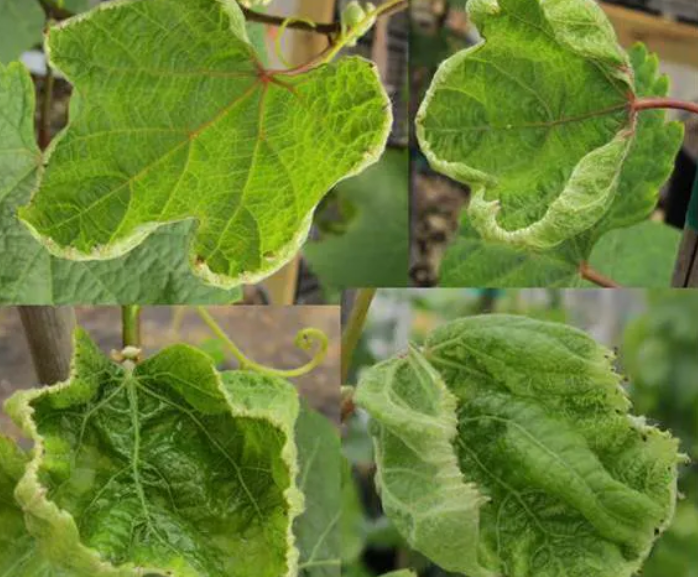
What does damage look like? – Key indicators of exposure include epinasty (downward or outward bending of stems), leaf curling or cupping, and parallel vein orientation instead of typical net venation. Sensitive plants like tomatoes, oaks, and legumes may show severe twisting and drooping branch tips within hours or days of drift, while grasses may exhibit yellowing, bleaching, or dieback if affected.
Critical Conditions for Neutralization, Microbes to the rescue -To ensure complete neutralization, the compost pile must be active and thermophilic (hot). The breakdown is driven by microbes, not heat directly, but the high temperatures of a hot compost pile (130°F–160°F) indicate robust microbial activity. Do not use compost made from 2,4-D treated grass on sensitive food crops, unless the pile has cured for at least one full growing season or you are certain it reached high temperatures (over 2 to 3 months). Mix thoroughly: Incorporating the treated grass with “browns” (leaves, straw) helps dilute the concentration and provides carbon for the microbes consuming the herbicide.
Now you all have more information, take it or leave it, but once you know you know. Hopefully you will share with your neighbors that lack dandelions and sunflowers on their property, because 100% they are using these chemicals.
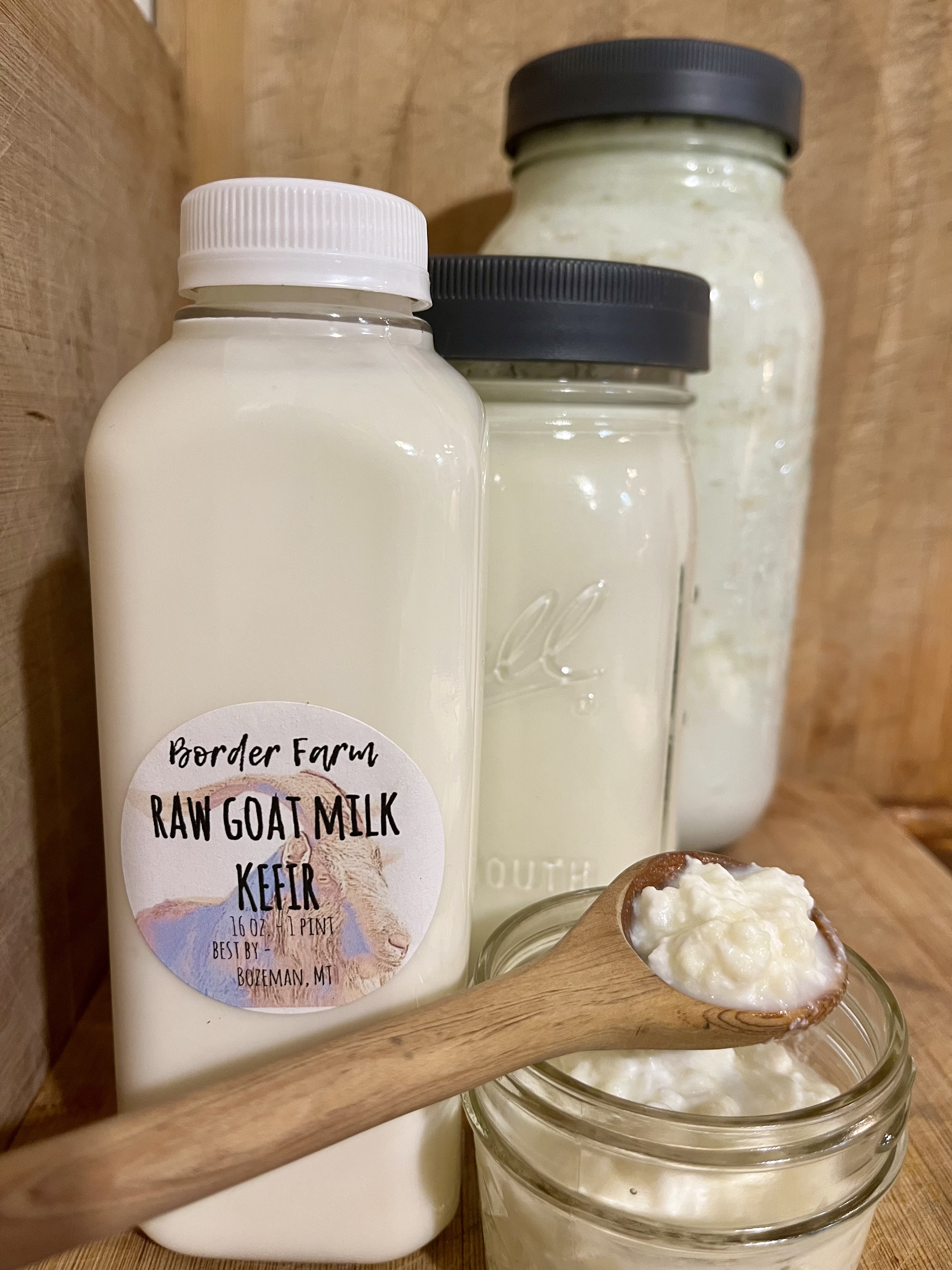
TUESDAY NIGHT FARM MARKET – 5pm – 8pm. Sourdough Starter, Kefir Grains, Fresh Cultured Kefir, Cheese, Tea Blends, and herb salts – Farm Fresh and Optimal Nutrition!
POTLUCK AUGUST 8th – 4 to 6pm – bring a dish made from local food from your garden/farm market/ farm/ or ranch.
FARMSTAND NOW OPEN!
We moved from a cooler, to a small mini fridge, to our new farmstand in a three year period, THANK YOU. As the weather cools we will be filling our shelves with more items, so when you pick up your weekly order you can pick up maybe a little something extra you might like.
Jams will be back on shelves in September!
PAWS & PEOPLE
SEPTEMBER Puppy/Adolescent Class – 11am (almost full)
SEPTEMBER Adult Specialty Class (DISTRACTION TRAINING) – 11am (one space available)
We are scheduling through summer right now. If you are interested in group classes, phone appointments – please consider registering in advance.
One-on-One Coaching in person for the summer is now FULL. Next available appointments looks to be September.
One-on-One PHONE COACHING is available during the week, mid day.
