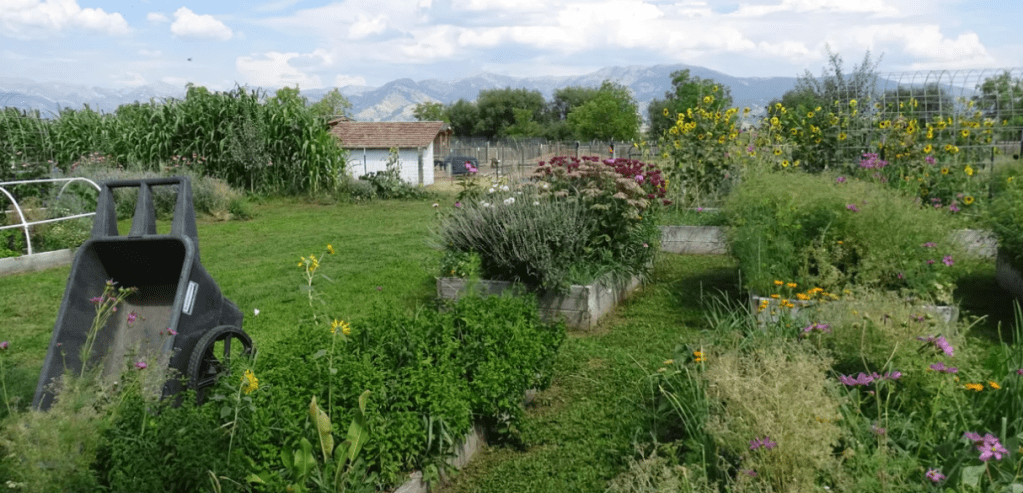
First off thank you for the Christmas Trees. Our front pasture is a giant surprise each morning, more trees, more great food for our goats. If you still have trees please bring them over, our goats are going through 3-4 trees a day right now!
This week our newsletter is open for everyone to read, we will set it to Subscribers Only going forward and we hope you can join us! We don’t post this news on any other platforms, so this is the place.
BORDER FARM
Years ago I did a brief internship at an AZA accredited zoo. I learned a great deal in regards to care, observation, and species appropriate food, but mostly education on enclosures. Animals in fencing only have that habitat for their home, there needs to be consideration for that home and its uses.
Our back pasture is our animals home, a secret life. We have pens, fencing, management, and structure. As the saying goes, “a happy goat owner is a goat owner with awesome fencing”.
We are not a petting zoo and our animals are not treated permissively. When we move them from one pasture to another we call them, they know their herd name and individual names, cooperation. If we need to clean their pen areas, we have our goats move into the front pasture.
During handling/care days our goats know how to stand for hoof trimming, load on a stanchion for brushing, trimming, milking, or dental check, and the ever bonding experience of midwifery during kidding season. Trust and Relationship.
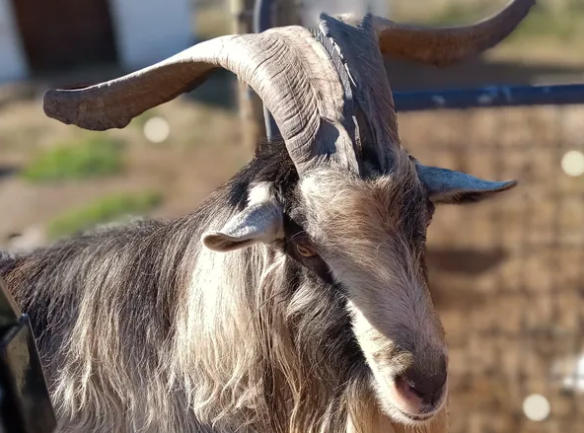
Each one of our goats has their own unique personality, all of them super intelligent, some sweet and some mischievous, and we build our relationships with each one. We learn their predilections over time, and learn how to work together.
Because this is their home, their secret life, we protect that for them. They work for us in our dairy program or on trails packing, a trusting and working relationship. We honor that each day.
Want to learn about Goats? We have opportunities with Camp or Classes.
psst – we have been asked by several people to add a Cultured Milk Class. We will add that this week!
PAWS & PEOPLE
CRYPTORCHIDISM
While this happens in all mammals (humans included) this information is dog focused. Cryptorchidism in dogs, defined as the failure of one or both testes to descend into the scrotum, is the most common disorder of sexual development in the species, with a reported prevalence ranging from 0.8% to 15%. The condition is considered a heritable, autosomal recessive trait.
Recovery and Management of Cryptorchidism in Dogs
Delaying neutering until 1 year of age is typically recommended for puppies diagnosed with cryptorchidism, to give the testicle(s) time to descend into the scrotum. This is the recommendation on most sound veterinary sites. Although there are plenty of new articles popping up alluding to the newer observations that the surgery can be more harmful than potential outcomes of leaving a dog cryptorchid and intact. It comes down to the owner, their knowledge, and their health care advice.
AKC show dogs up until the mid 1950’s were allowed to show (and win) with one undescended testicle, they were even encouraged to breed. It didn’t become a ‘fault’ in breeding until 1956.
Variant in HMGA2 associated with inguinal cryptorchidism risk in dogs
Yes, female dogs can carry the cryptorchid gene. According to the search results, cryptorchidism is an autosomal recessive inherited trait, which means that it must be present in both parents’ genetic lines to develop. Female dogs can be carriers of the gene, even if they do not exhibit the condition themselves. They can pass the gene on to their offspring, increasing the risk of their male puppies developing cryptorchidism.
If you like to read studies /articles
https://www.ncbi.nlm.nih.gov/pmc/articles/PMC9135263/
https://www.instituteofcaninebiology.org/blog/cryptorchidism-is-complicated
https://siriusdog.com/cyptorchidism-congenital-testicle-dog/ Fred Lanting – has written many articles regarding cryptorchidism
%%%
Wherever % have come from, they seem like a crap shoot at best. For Example –
15% higher risk of cancer if cryptorchid dogs – but knowing that all domestic dogs in the USA have a 58% chance of getting cancer just by existing – is this really even an issue?
15% higher risk of Cancer, but a 50% chance of complications in surgery, again is this really even an issue?
85% chance of no complications in cryptorchid dogs
The End
Just as with everything there are risks – to operate or not, health issues or not, emergency surgeries, etc.
Read, do your research, work with your health care professional – and as always the best outcomes with everything, including cryptorchid come from –
sunshine, fresh air, optimal nutrition that is species appropriate, and movement.
TRAINING
January is full, but if you would like to work with us in the coming months we would love to have you. Please consider registering in advance.