Sunday Morning Walk & Train

Along with our new training Dog Gym, we are introducing new programs. One of the programs I am really excited about is our Sunday Morning Walk & Train. Exercise for both the handler and dog!

An hour long walk on the lovely trails just out our front door at the Gym, and then an hour in the Gym working on the skills of your choice. This is a guided, very casual program to improve the relationship, skills, and health of both handler and dog. Questions and conversations are always a fun part of morning programs, but there is no formal instruction.

I am also seriously contemplating buying a coffee maker, with Sunday Mornings in mind ;-)

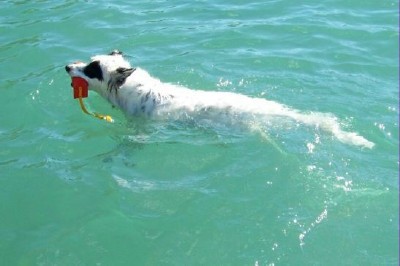
Leaving the Gym for the ‘Story Spur Trail Loop’, 2.5 miles of brisk trail and dirt road walking – It crosses the Rocky Creek where there is a great swimming hole.

Gathering gear for work in the gym. Gates, ladders and more.

Not sure what you want to work on? I have made cards to help inspire! Choose which ever one sounds interesting and have fun!

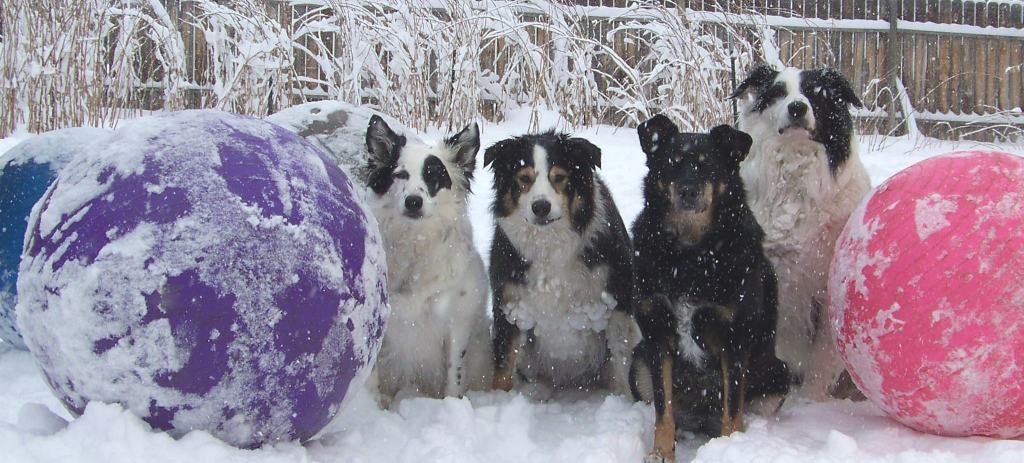
Warming up for tricks!

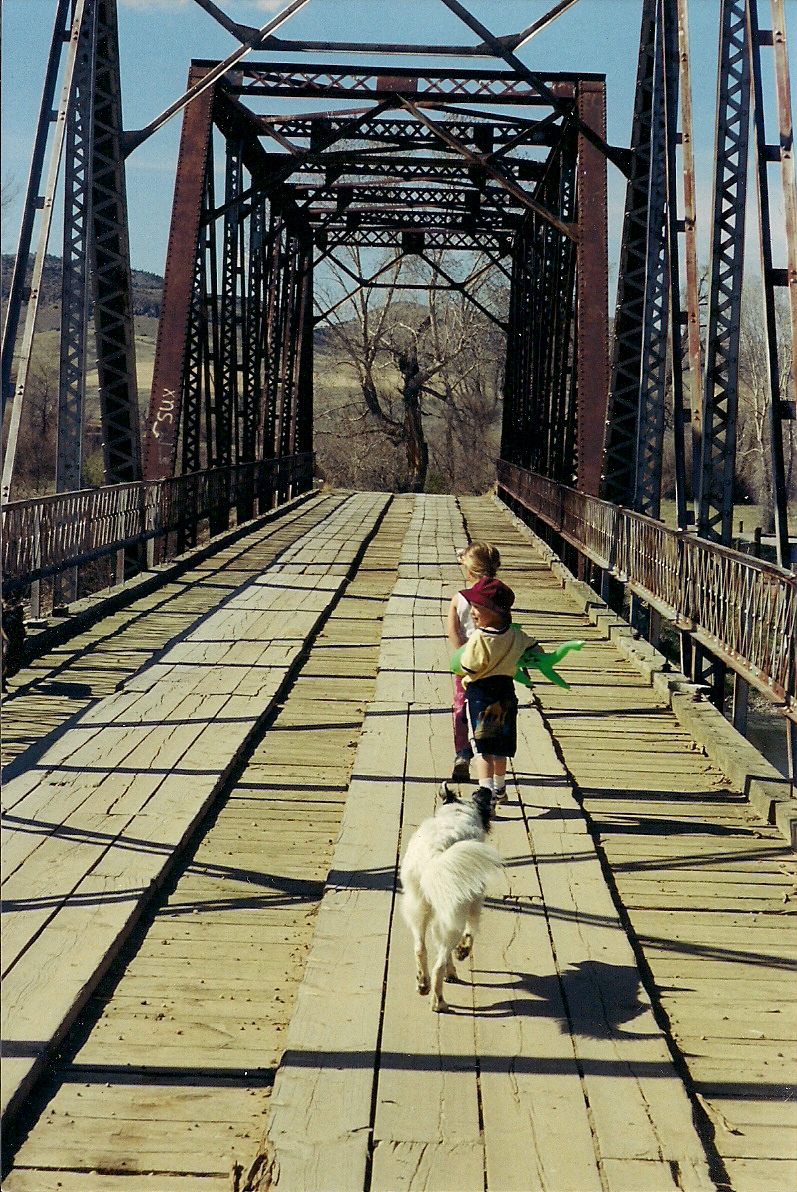
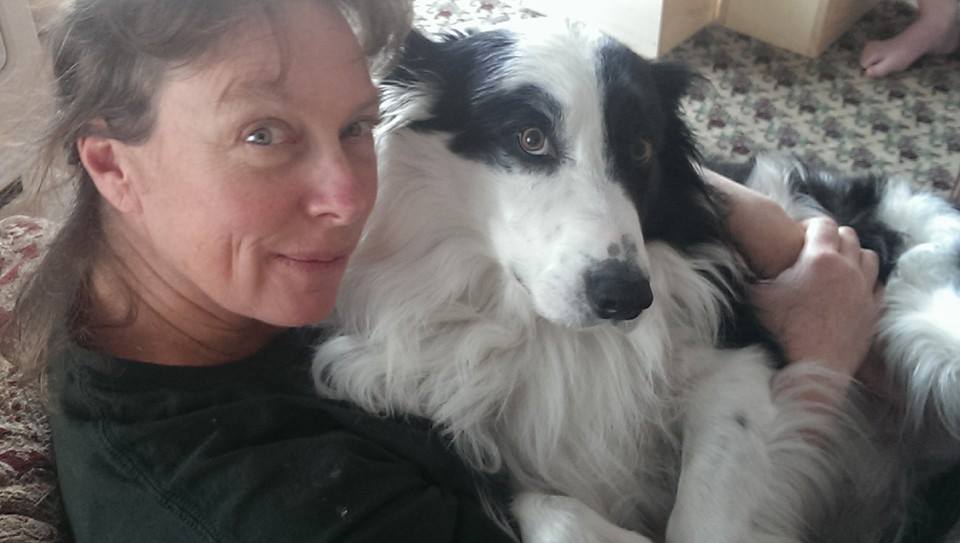
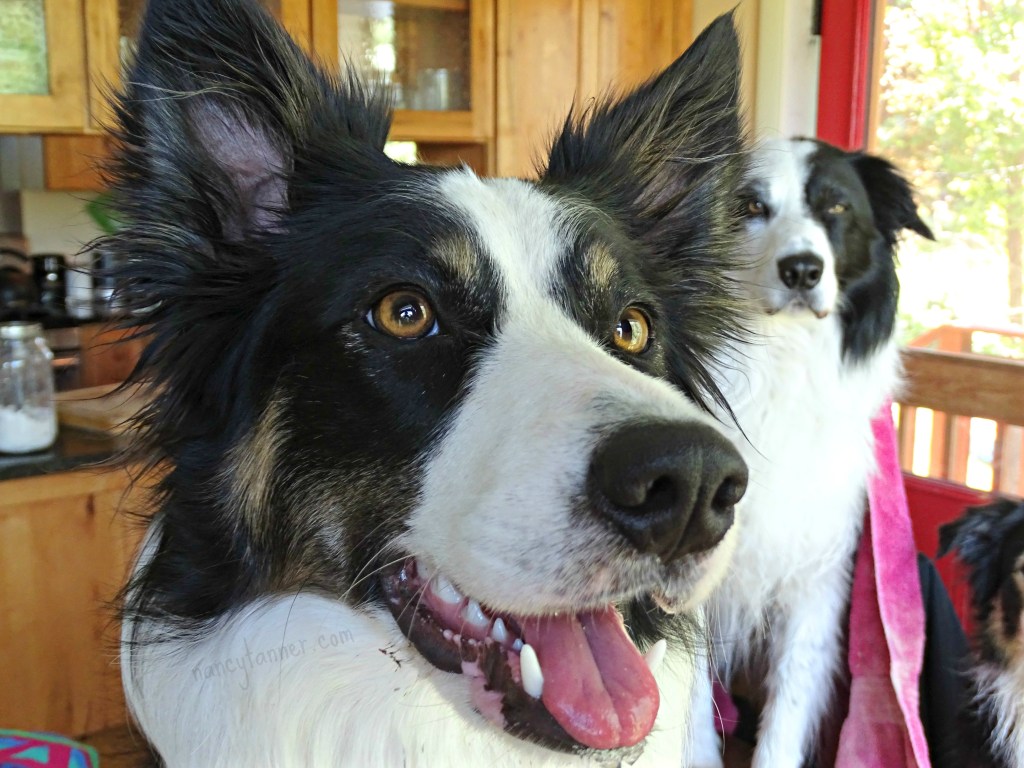
My beautiful Story was the inspiration behind our new Walk & Train program. This is how he starts most of his days, and it just adds such great balance to the rest of our day!

Nancy

is desexing the answer, or the question?

Sometimes we can be so influenced by what we see, hear, or experience on a regular basis, that we forget there are other options. Or at the very least, possibilities.

I recently had a very cool conversation with my friend Lisa from Australia, in regards to the desexing of competition dogs. We both own intact males so we talk sex sometimes ;-) If you desex a male dog would you have a more focused dog, or does it boil down to more training, more exposure to new and different, and a strong handler/dog relationship? If you have a problem during competition is it because of the testosterone driving the male, or is it training? Is desexing even necessary if there is no health issue? If you do a great job with your intact male dog in regards to socializing, exposure, training, and the relationship, how can you be sure others have done the same, and your male will be safe?

Then I received a reply to my post Sex and the Male Dog from one of my blogging friends in Norway, Bente Haarstad. She mentioned that it is illegal to spay/neuter a dog in Norway. W-w-w-w-haaaat?!

In a nation such as America, that is cramming stray and unwanted dogs into every available rescue/shelter, and then euthanizing millions more each year, Norway’s law might make you gasp, or even throw a tantrum! But only at first glance. Their laws make sense, and would make any dog person from America to Australia envious. Respect and relationship seem to be the foundation.

In America it really isn’t IF you are going to spay/neuter, but rather when. While rescues would like to see every dog desexed yesterday because of over population, we are known worldwide as a heavy desexing country, believe it or not. Whether you want the testosterone in your dog longer for healthier growth plates and joints, or buy into the new movement Fix at Four, there are always conversations on desexing, always.

Are we desexing because of our dog over population problem, or to make things easier for the owner? Let’s be super honest about that one!

Norway does not have an over population problem when it comes to dogs. There are rarely strays, if ever. People use leashes and restraints when required. The culture in Norway is such that when you get a dog, you are expected to spend time training and building a relationship with your dog (that is so refreshing!). Spay/Neuter is a case by case basis, based on health, utility, or behavioral concerns.

Is Norway a perfect Utopia for dogs and their owners? I don’t know I don’t live there, but it sounds pretty awesome! In an article by Science Nordic some veterinarians have mentioned that they treat dog to dog bites more often than what they have seen in the United States. Growling, barking, or difficult to walk in public are other problems mentioned. In reality, all Utopian thoughts set aside, I would imagine there are people who don’t follow through with training, don’t understand dogs, or have been abusive,  just like any place else in the world. And for sure, dogs that don’t have great temperaments to begin with? Norway we would love to hear from you!

So here is some really cool information that I think we can all agree is pretty crazy awesome!

The Norwegian Animal Welfare Act (NFSA) makes it clear that surgical procedures are not to be used to adapt animals to the needs of humans, unless strictly necessary. Woop! This means you come at the relationship together and work at it together.This, in and of itself, makes me smile.

They also state that neutering is not a substitute for training. Now if you are reading this and are from America, or a desexing heavy country, be honest and raise your hand if you have neutered because of an unwanted behavior. Here is my hand being raised, I have done that in the past. And it isn’t uncommon.

The NFSA, a government agency, did relax some of it’s spay/neuter laws from what I have recently read. Starting in this year, 2012, they will permit neutering if it helps give a dog a justifiable quality of life, including social contact with other dogs.

As for me, I like what Norway has to say, so does Story! From how I am understanding things, it isn’t just about desexing, it’s about quality of life, and responsibility to another living being, woop! I like that there are no stray animals, and that the culture expects dog owners to be responsible. This expectation being socially acceptable is worth gold in my world. I love that dogs are dogs are dogs, unless there is a problem that needs medical assistance.

I for one have learned something new, which is always a good thing.

Perhaps we can start shifting to higher expectations of dog owners and their responsibility? Perhaps we can truly out law puppy mills, mass breeders, and kennels with twenty breeding pairs to help curb over population? Perhaps we can look at dogs as perfect from the day they are born and not medically alter them? Perhaps we can all find more value in relationship, teaching, and the journey together?

Nancy, who appreciates and loves her neutered and intact male dogs!

Thursday night demo – handling the reactive rover, building a positive conditoned emotional response

For three years I partnered with our local library and offered free Thursday Night Community Lectures, about once a month. It was an awesome way to share information beyond my classes, meet new people, and talk about varying topics that were really interesting to me.

The topics varied from food, to behavior, to traveling with a dog, and sometimes I had guest speakers with me. The size of the crowd was totally unpredictable, from 2-65, it was a bit like gambling!

Now that we have the Dog Gym, I am reviving this program a bit, but letting it come full circle with Live Demo’s. I know for me, I learn best if I can see something in action.

Last night we had a demo on Handling the Reactive Rover. Franny was my demo dog, if you read her series, Living with a Dog Outside of Neutral, you know she was the perfect choice!

We had such an awesome group of folks last night. All responsible handlers, all involved in the dog world to some extent, and all with great questions! It was so inspiring that we accidentally went on for two hours!

Some of what we touched on -

  • What type of reactive do you have? happy, cranky, fearful, etc.
  • What are the triggers?
  • Was the reactivity event caused, on going environment, temperament, combination?
  • Management in the home with a reactive dog.
  • Management when out and about. Making choices for where, when and how.
  • Reading your dog’s body language better.
  • Why is taking a deep breath important and so under rated?
  • Crate training, and crate use. Voluntary safe place that elicits calm.
  • Basic exercises to encourage a more relaxed dog, relaxed handler. A two-way street.
  • Default behaviors of sit, come to me, between, relax when we stop. All should be voluntary.
  • Building trust so your dog feels safe with you.
  • Using your voice as the first leash, and webbing for insurance
  • Why harnesses?
  • Having a support system so you feel good about your dog, your choices, and your work. Feeling empowered by the good work you are doing instead of beaten down.
  • Small micro steps, not leaps and bounds.
  • Rocking your dogs world in the biggest kindest kind of way when they make a healthier decision when faced with choices. Meatballs growing out of the floor!
  • and on and on … again, a great night!

Nancy, here is to many more great Thursdays!

ps. my daughter took these photos as part of her summer project. She mentioned after reviewing them that I might not be able to talk if I had my hands tied behind my back… hahaha Very funny Piper!

what’s the difference between a handler and a dog owner?

What is a handler? Most of my clients could tell you.That is how I refer to them when they have been training with me for some time, largely out of respect for their new role, and commitment with their dog.

A handler is a coach, trainer, manager, or supervisor. If you have a dog, and choose to learn more, do more, and see ownership as a relationship in motion, you raise the bar for yourself, and in fact fulfill all of these roles.

What sets a handler apart from a person who owns a dog? It is so varied. And this is where I would like to open up this discussion. I believe if dog owners knew more, they could do more. And it really isn’t about sit, down, stay or come. It’s moving to the next level of understanding.

One of the aspects of being involved in the canine working/sporting world, is getting to observe, listen, and discuss dogs, at great lengths, with other handlers. Learning about dogs in theory, and critical thinking is important, especially in my world as a trainer. But in all honesty, if you aren’t getting the field experience, and you’re not involved in the larger dog world, it isn’t going to help much.

So I am starting a list that describes a great handler. What would set them apart from a dog owner? I would like this to be kind, educational, and hopefully inspiring to a dog owner and beyond. Please post your responses on this blog (not FB or private e-mail please) that way someone can read it in it’s entirety.

Learn as much as possible, have fun, do more! The list beings…

  1. A handler buys videos and books on various dog topics. From disc dog training to behavioral concerns. Always curious, and always wanting to learn more.
  2. Working with their dog, not against their dog. Training is teaching and it takes both the handler and dog.
  3. Handlers involve themselves in the dog world to some degree.
  4. A great handler knows they have much to learn, and every dog will teach them something new.
  5. Handlers learn about behavior, they rarely take advice from the dog park. Attending conferences, reading books, watching videos, etc. With on line conferences it has become even easier!
  6. A handler understands their responsibility with their dog. At home, on a trail, in public, at an event, etc. They know they are their dogs advocate, their voice in the human world, and the go to person with anything concerning their dog.
  7. A handler understands that there is more to life than a dog park, and a dog park may simply not be the right place for their dog anyway.
  8. A handler understands rewards, how they vary, the value, and how to use them appropriately.
  9. A handler knows they have entered a partnership, a team, and relationship. Most handlers take the good with the bad, and work together to move forward.
  10. A handler understands space, when to give space, or when to take space. Space is critical in trust, appropriate social cues, advanced training, sports, and just plain good manners. The more skilled the handler the more accurate response to space without conflict or caution.
  11. A handler has amazing timing. Marking, capturing or shaping a behavior requires skilled timing.
  12. A handler does not distract easily. When a handler is working with their dog their attention is on the task at hand. They tend not to drift, think of other things, or watch the larger environment. They understand if they want their dogs attention, they must be willing to give the same. Their dog is the focus, everything else is scenery.
  13. A handler practices skills all of the time. Always learning, always challenging themselves as their dogs handler.

please continue!

how adoptable are you?

In 2008 the Utah/Idaho Vizsla Rescue invited me to their annual retreat. They invited me to just come, hang out, be a guest trainer if someone had questions, swim, hike, and enjoy their company. Seriously, how can anyone say no to that?

I ended up going three years in a row, and felt so honored every time they asked. An awesome group all the way around!

video 2008

video 2009

video 2010

Their retreat turned out to be more like a gathering. People driving across country to be there. Swanky campers, tents or staying in delicious old cabins. Young, old, hunters, vegetarians, athletes, and families. Dogs of all ages and temperaments, some with horrific histories, others with that unbearable lightness of being. Wine, gin, whiskey, and incredible food in abundance. All converging at Wade/Cliff Lake Montana. If you don’t know this area, it will suffice to say, it is jaw dropping gorgeous!

Since it was my first time at a gathering like this, I wasn’t sure what to expect. So, ever the family board game player, I filled a bag with fun games, trivial information, and puzzles. All of it revolved around dogs, dog ownership, and relationships. Some wholesome stuff for sure, some naughty/scary stuff for late night around the camp fire ;-)

Since this group was focused on rescue and re-homing Vizsla’s, I thought it would be fun to play my Profile Game, but with a twist. A responsible rescues needs to know about a dogs adoptability, they have to be very in tune with who this dog is and who to place it with. Sometimes it can reach critical levels in regards to information. And sometimes, we as humans just get way too picky.

So this is how the game is played. Everyone gets a Profile Form and pen. I made this one super basic and easy, but with the ability to gather critical information to determine adoptability. But instead of filling it out for a dog, everyone had to fill it out as themselves. They were all being put up for adoption.

At first, there was not a single smile. Shit, this was a serious group or perhaps hung over? I simply said, don’t put your name on the form, be honest, and don’t share your info with the person next to you. Little chuckles here and there, some big bursts of laughter once they got into it, and lots of four letter words once they got rolling!

Once everyone finished I gathered the forms, I believe there were nine or ten total. To this day I can say this was one of the most fun moments I have ever had with a group. When reading these out loud, and they were pretty hysterical, honest and outrageous, we learned a lot about how imperfect we are, yet how we expect new to you dogs to be perfect.

Out of this group of nine or ten

  • One pure breed, or so they said! Eight mixed breed with no papers, Family Crest,  or Coat of Arms.
  • General appearance was a bit rough and scruffy. One said they felt like a super model in appearance. We debated that for awhile!
  • Five had healthy interactions with their own age group and species, but they did not do well with toddlers, adolescents or young adults. Four didn’t care about their interactions as long as they were having a good time, they were young adults.
  • Seven had way to much resource guarding to be considered safe in a new family home. They bordered as sanctuary candidates. They guarded their home, property, toys, and children. Some even carried guns because resources were that important! Only one food guarder!
  • Eight had space issues. Their personal space was large and could not be crowded with too much activity. Grocery stores, festivals, Costco on Saturday’s, and the like were out of the question.
  • Five were considered senior, and their health and medications were considered too expensive to make them easily adoptable. Specialty homes would be necessary.
  • All felt they were well socialized to people, places, things and events. Two felt more social after having a few drinks.
  • Two were semi incontinent, that posed a whole new level of care taking and adoptability.  One was only incontinent after drinking too much, that could be easily managed we all felt!
  • Two had exercise needs that were too extreme to be considered easily adoptable. They needed specialty homes with active joggers, hikers, mountain bikers or gym owners. An easy going family would be overwhelmed.
  • Eight were intact and capable of reproduction. Not good for adopting out!
  • Some females had whelped multiple times and proved to have too many opinions to be easily adoptable. They would not transition well.
  • Two over ate, one had food allergies and needed food management. A home that understands this structure would do OK. Free feeding or buffets, not a good idea for these folks!
  • One, just one, out of the group was young, opinion and guarding free, easy to get along with, well socialized but not in your face, read social cues well, willing to try new things and activities, and had a lovely lightness about her. FINALLY, an easily adoptable person!
  • and on and on … It just kept getting better!

What we all learned is that we are not perfect, none of us, not even by a long shot!

Sometimes a potential adopter is looking for perfect. No barking, easily hangs out at home, no guarding, no reactivity, doesn’t beg, walks nice on a leash, likes weekend outings but doesn’t require daily hikes, no health issues, pretty, etc. What they are really describing is a stuffed animal, not a living being with an ounce of life experience.

It comes down to looking for the right match, educating, and making sure a potential adopter is up for the new adventure. Taking the good and the bad, and moving forward with the relationship is what it boils down too.

Our follow up game was creating a newspaper advert. Our dogs were giving us away, what would they say about us to find us a new home? SO FUN!

Enjoy the lovely photos, some awesome memories! Nancy

but I heard this breed makes a great family pet …

Here comes a bounding blur of a fur ball. Running right at me, apparently not even looking for obstacles to avoid, like knee caps. Tongue flying, legs trying to keep up with the momentum, and I just can’t help but smile. As my friend Cat B. says, and I have quoted her so often over the years, when a dog is playing, their whole body smiles!

This particular fur ball was a sixteen week old Bernese Mountain Dog. Her owners weren’t smiling, in fact they were on the verge of tears, and their stress was palpable. They had been told that BMD’s make great family pets, so on that recommendation alone, without further research into dog ownership, they got a puppy. A puppy for their three young children and busy household.

Any time there is a write up on a breed, whether it’s in a breed book, a dog magazine or on a breeders website, it acts the same as a dating service. They touch on what the adult mature dog should be like, and try to promote the positive attributes.

Tri color with thick luscious coat. Built for work but enjoys laying around the house on hot summer days. Easy going and social, with a sense of humor. Weighing in between 75-100 pounds, not giant but substantial and eye catching. Enjoys walks, romps with friends, dog sports and farm work. Great family dog.

What these write ups forget to mention is the puppy thru adolescent thru young adult stages. And the very real fact that once you get a puppy, that is supposed to be a great family dog, it takes roughly 3-4+ years to reach maturity. As Sheldon would say, BAZINGA!

When this particular family asked me if there was something wrong with their puppy, I said no, I would snatch her up in a heart beat. This puppy was so cute, charming, and appropriate for her age. She was social but not in your face, playful with playmates, good balance, had nice settle, not too mouthy just puppy stuff, and wanted to engage and work (yay!). Lovely on all levels, but not a mature dog, she was a puppy! And puppies make puppy choices, which aren’t always wise or well thought out.

Pre schoolers and puppies are just about the same on the wise choice scale. If you wouldn’t leave a pre schooler in charge of your home while you go shopping for the day, chances are you shouldn’t do it with a puppy either.

The problem, and where the source of the stress was coming from, is that this family was never prepared for the first 3-4 years of this dogs life. They some how were expecting the adult description of this breed to apply to a young puppy, and had not considered the enormous amount of time, structure, and management a puppy takes.

To all of our potential puppy homes I share our puppy tips first, just to make sure they are aware of the work ahead of them, if they want to grow a well balanced family dog.

This is not uncommon at all, this happens all of the time, literally all of the time, no matter what the breed of puppy is. Well meaning families, trying to make a good choice, but didn’t quite get all of the information. Working with a trainer before getting a puppy is, in my opinion, a good thing. I’ve found that it can take a great deal of the stress away, and helps with having a support system.

So, here is to the bounding little fur balls, may your families understand this important stage in your life, and rise to the occasion. Growing a puppy takes time, patience, guidance, and love.

Nancy

when nice becomes annoying, and annoying becomes a conflict

Yesterday on my way to work, I was driving behind a seemingly normal line of cars. I have about two miles of neighborhood driving, and two miles of country road driving.

The car immediately in front of me started to hit the brakes at any smidgen over the speed limit. OK, I can go with that, I’ve received a speeding ticket in the last year, good reminder to be a polite driver. But then it really started to set in that something was a bit hinky. This car would start to slow down at the sight of a cross walk, even when no person or bike rider was present, and then come to an almost full stop to double check. If there was a person within a half of a block, this car would stop, turn on emergency flashers, and wait for the person to come and cross. Really? People using the cross walks were giving looks and I am sure thinking the same things I was, or maybe a bit more polite?

This happened at six cross walks. It took almost fifteen minutes to go a bit over a mile. When the driver finally pulled over to park, every single car honked as they passed, and there was a long line of us. It wasn’t a hi neighbor thanks for being nice honking line either.

Nice is nice within context, its enjoyable, agreeable, pleasant, and good. But when nice is taken out of context and put into overdrive, it becomes unwarranted attention, and it’s simply annoying, and it can cause conflict.

While I finished my drive to work, following regular joe drivers the rest of the way, it made me think about some dogs I have worked with over the years and a recent conversation I had with a friend.

I have worked with three dogs over the past ten years that had this nice to annoying temperament. It is so distinct when they are puppies. Now that these dogs are all adults it’s interesting to see the similarities in their less than stable personalities.

When a puppy class meets on the first night, I call it the discovery night. These little fur balls all come in, some walking some running, and lightly greet each other. Then they form little friendships, maybe investigate the room, or maybe romp a bit harder. It’s all new for all of them, so pretty equal playing field. Some are tender, some are bold, every once in a while a Tarzan type of player, a few have been anti social, and just three have been annoying to the point of conflict to the other puppies.

This behavior is so distinct that I remember them clearly. The first puppy I saw do this was about seven years ago. She would come into class, wagging, swaying, and seemingly sweet as pie! She would roll herself over in front of the first puppy she saw. It looked like smell me smell me here’s my belly. Her puppy friend/s would oblige and smell her and then go on their way, or at least try. But she would get up quickly and roll herself over in front of her playmate again, smell me smell me here’s my belly! This would continue for a bit, and you could start to noticeably see her puppy playmates getting annoyed and trying to avoid her all together. She was effectively blocking space, and she was in all effect isolating the puppy that she was demanding to SMELL ME SMELL ME HERE IS MY FREAKING BELLY!

During the six week puppy class she never engaged in active mouth to mouth play, sharing of toys, running around with the other puppies, or nose to nose interactions. By the end of class, all of the other puppies avoided her like the plague, they wanted no interactions with her, and if she started to roll over they would run the other way, they wouldn’t even stop to smell.

When she entered adolescent class and tried this with a new adolescent dog, it didn’t go well at all.  As she was seemingly being nice, here’s my belly I mean no harm, the new adolescent was like cool nice to meet you. But then she went into her unwarranted niceness, that became annoying, and then started a huge conflict. The new adolescent dog was trying to hold it together, and then he had it. His screaming at her was almost like what the hell is wrong with you, pull yourself together!

And it was really baffling for the handler. What looked like a sweet and polite gesture, was actually very assertive, manipulative, and annoying.

This female dog is now seven plus years old, she will lightly say hello to other dogs, but has still never engaged in play. She will start conflicts with other household dogs, the triggers vary. She will be laying down sleeping and then pop up and run into another room as if ghosts were chasing her. Some days easy going, other days triggered by sound into mild panic attacks. And the list goes on. This is not a stable temperament. The owner has done medical checks, blood work, diet overhaul, etc. This is temperament at ground zero.

All three dogs, varying breeds, have had the same unstable, unreliable quirks.

I went east this spring to attend a workshop. My friend who is a brilliant trainer and breeder, was telling me about one of her breeding females and her daughter. Both it turns out have this temperament, unstable, unreliable, and quirky. And I believe they both started as puppies with the over the top annoying belly roll greeting too.  I believe she said if there is conflict it comes from those two, and they are often separated from the other females. It was refreshing in a way to know it wasn’t just a Montana thing!

If you have a dog with this temperament it would be great to hear from you.

Have a nice and annoying free day! Nancy

prepare your dog

Life has a way of changing on us, it is truly the only constant. Sometimes we initiate the change, which can be pretty cool. And then some times change happens whether we are ready or not. Some glide through change gracefully, for most it’s more of a bumpy ride until one adjusts.

For our dogs, change is only positive if we have prepared them. By prepared I mean introduce them and socialized them to a world far bigger than the one at home. Socialization at a young age or when you get your dog is far more than just important, it is preparing your dog for the future. In other words you are investing in your dog by introducing them kindly and considerately to people, places, things, events, and other well socialized dogs. Exposing them to experiences in a positive way and keeping their world broad and open.

One of the more common scenarios I have seen over the past ten years is a very well meaning person that comes to a point in their relationship with their dog where they want to do more, maybe a dog sport, maybe therapy, or maybe move into a different living situation with new people. The dog on the other hand has had limited exposure to life outside of the home, and if there were outings they were to dog parks. Some dogs literally jump at the chance to do more, most however have some level of stress as they were never prepared for change, let alone new and different. And some dogs just don’t have the coping skills to transition at all into the new change, change that is being made for them by their owner.

While this may seem like a lot, remember that nothing will stay exactly the same in your life over the next fifteen years. Prepare now so that the transition for you and your dog goes much more smoothly.

About three years ago Ocean went into renal failure due to the administration of drugs she was not supposed to have. After visiting a teaching veterinary hospital, I decided to do home care with her during her fluid therapy as she trusts me to do anything with her, we have worked hard for that relationship. I had to learn how to administer IV and subcutaneous fluids in a matter of five minutes.

Did I prepare her for fluid therapy when she was younger? No. But because I have taught Ocean many skills over the years, her and I work seamlessly as a team. I asked for a down on her pillow, asked for relax which is head down, asked for pa so she would extend her leg to me, and then ready which is the word for me starting something. Although this was change for us all, we were able to work together on new and different, I could take most of the stress out of the situation. I would massage her during each session, and then we would go for a light walk afterwards. On some level I hope I brought some understanding to her that this was going to be a good thing in the long run. I am happy to say that she is ten and healthy!

Tips -

  1. Take your dog to new and different places that allow dogs. Visit hardware stores, outdoor restaurants if your dog has a good settle, book stores, walking malls, etc.
  2. Train often and train creatively. Introduce new tricks and new behaviors all of the time. Keep training fresh and fun. Create a dog that trusts learning from you.
  3. Expose your dog to new people, new places, new things, new events, and other well socialized dogs on a regular basis, especially when young. Give them exposure!
  4. Give your dog skills. Whether a dog sport is in your future or not, trying a little of this and a little of that builds your dogs knowledge and skills. Try a core conditioning class, doggie yoga, foundation agility or body awareness, freestyle and tricks, treibball, etc.
  5. Prepare your dog to work in new locations with you, not just in your yard. Practice your skills on a sidewalk, in a park, on a trail, in a store.
  6. Crate train your dog. This may seem odd, but having a dog that has a safe place, and it’s constant, and they can count on it, helps with transitions. You can bring a crate into a facility for training and the constant is the crate, while introducing new skills and new experiences. Bringing a crate into a hotel room is for safety and also for being a polite guest, but it creates a constant place during travel, which is change. Crates are great management tools, and if conditioned properly, create a place of calm and of safety. And it is a constant in a world of changes brought ton by owners.
  7. Expose your dog to new sounds, new smells, new sights. These can be little outings.
  8. Have friends over to your home so your dog gets used to other people in the house in a positive way.
  9. The more you teach, the more you can ask from your dog.

Think of the future and prepare, your dog will appreciate your efforts! Nancy

train silent

Years ago, as in the late 1980′s, when I was on the Park City Ski Patrol, I was fortunate enough to be put on the K9 search and rescue team during my rookie year. I didn’t volunteer for it, raise my hand, or jump up and down and say pick me pick me. What ever their reasons were, I am still grateful to this day.

At that time I believe there were forty seven or so full time patroler’s, seven were women. We were put on teams of four for each season, and rotated around the mountain weekly. Sometimes the areas where we were stationed were like a paid vacation. Beautiful skiing, low volume of skiers, and lots of hang time. Other stations were like working in a big city ER room from sunrise to sunset.

The unique part of my team was our Team Leader and the dogs. Lyn was a quiet, hard working, and unassuming man. While he wasn’t particularly chatty, he did take notice of everything. Great sense of humor once you got to know him, or if he cared to let you get to know him. It was my first experience with training silent.

Training silent is something he did naturally, I don’t think he actually had a word for it. It isn’t ignoring your dog or hoping they just catch on, in fact it’s quite the opposite. It’s spending a great deal of time with your dog, working, teaching, watching, observing, and playing, in a structured and managed environment. Building trust. Silent doesn’t actually mean no words, although it can, but more of a minimal use, or rather a quiet use. Having our dogs understand words is important, building great body language so we stop confusing our dogs is even more important. When we stop jabbering on, we have to become better with our other languages, as in body language!

Lyn made me a better skier by dragging my ass all around the mountain while working. He was shaping me into a good dog handler, and he also taught me a great deal about listening. It wasn’t just about hearing words and paying attention, it was about listening to everything around me. Listening with all of my senses.

Because I was young and hungry to learn, Lyn included me in most of the dog work. All of the games, drills, and pit work. I’ll be honest, I was buried in deep pits a lot my rookie year. But I knew there was good work going on, I was learning, and was thrilled to be Lyn’s apprentice so to speak. Playing with the dogs had a purpose. Touch, massage, attention to health, work, directed play, etc. I still use this in my own training program, 24+ years later.

One thing that kept repeating itself over and over was the relationship he had with his dog. Never a heavy hand, never a loud voice, never a command, never any gear that caused harm or discomfort. It appeared to be through their relationship that great work happened. They had a true working relationship. They spent so much time together that their communication was seamless, their mutual respect was tangible. With the other K9 handlers on the mountain it was the same. Lyn was a gentle but effective teacher and was training other handlers well.

After the ski season was over I started a summer conditioning program with one of the other dogs. Thrilled to be asked, and again, not a bad job to have! We hiked the Wasatch and Uinta mountain ranges all summer long. And I kept learning.

Years later when I moved on and started competing in agility and other sports, training silent was something that many of the top competitors were doing, it was awesome to see. Agility classes were offering silent night sequence work, it was awesome. It taught handlers how to work on better body language, directionals and distance, encouraged true team work, and it took the whole command thing out of the picture. It’s kind of like checking the ego at the door.

Talk to anyone that has been involved in a dog sport, 99% of the mistakes are called handler errors. You learn quickly how amazing your dog is, and how much work you need to do as the handler! I can’t tell you the number of times my dogs have covered my mistakes. If there is one thing I value most, its the trust my dogs and I have in each other. It keeps me humble, and it keeps all of us in the right place to move forward.

So here is to training silent, being a good listener, and observing … And here is to my daughter who is the most natural handler I know. She takes my breath away when she is out working our dogs. She reminds me that all of us can do better.

Nancy

tricks for commercial work – session #2

A very long time ago I did some commercial and TV work with my dogs. Mostly I was the behind the scenes trainer, but sometimes I did demo’s with my dogs. It was fun, the pomp around it was kind of zingy and good energy, but truth be told I wasn’t driven towards that industry. I am always, I mean always grateful for work and that people think of me, but it wasn’t hard to walk away.

One of my new clients recently told me that she wanted to train with me because I turned down a gig on David Letterman. I had to laugh, does anyone turn down a gig with David Letterman? To set the record straight, I love this late night show, I think David Letterman is a crack up and have watched him for years. I was offered a spot on the Stupid Pet Tricks segment of the show, a freestyle performance. I told them I would do it if it wasn’t called Stupid Pet Tricks, otherwise I wasn’t interested in flying all the way out there. My children were young, I was competing, and I had a new business, I was busy anyway. They were super nice, as are all of the producers, and it just kind of drifted into a memory. I think they replaced me with the duck that ate cottage cheese out of it’s owners mouth ;-)   It would be awesome to do someday, just wasn’t right at the time. Then along came Martha Stewart

This summer I had a weird three weeks with offers for commercial work again, behind the scenes trainer work which I prefer. Truck commercials, alcohol commercials, and short films. I started to wonder who’s list was I on? One company was local and had some super good work, the other two were out of state, and the logistics at the time didn’t work for my family, bummer they would have been fun! Nice offers, nice people, kind of cool behaviors. As is the industry, hurry up and wait! Again, I am always grateful for work, I hope it keeps coming!

My dogs had about 1/2 of the behaviors on the various lists, so I set to task working some of the other 1/2.

Story doesn’t bark, he kind of moo’s, so getting him to bark was a bit tricky. I used a harmonica to get him going because he does like to sing to that, I was just waiting for the higher pitch kind of bark. I will continue to shape this over time.

$eeker is super quiet and only barks at our kids playing ball outside without him. I had to capture that. He was confused and happy at the same time when I threw meatballs at him for barking at the window!

Standing in the rain is similar to our sprinkler work, but their head needed to be a bit ‘up facing’.

Fetching keys was the hardest. They didn’t want metal in their mouths, so I attached a hard leather mini handle for them to grip. Then I allowed them to compete for the keys and that helped a bunch. Their final run will be fetching keys inside of a truck, and then running away with them through the rain (or not).

In this video clip we are working on session #2. I had introduced the new behaviors the day before, and we are just touching on them lightly again. It was fun to see their enthusiasm for the work. In commercial work you have about 10-14 days notice to train all of the behaviors they are looking for. Fast learning dogs that trust training are dreamy to work with!

fetch car keys in the ‘rain’
pick up car keys and run
stand on wobbly surface and stare at person
stand on wobbly surface and sniff face
stand in rain and look up
stand in rain with person and not move
bark in persons face up close
bark
sing
growl
huff bark

We have twelve more behaviors to start. Whether the work comes through or not, this is great for all of us.

Nancy … always curious, always inspired!